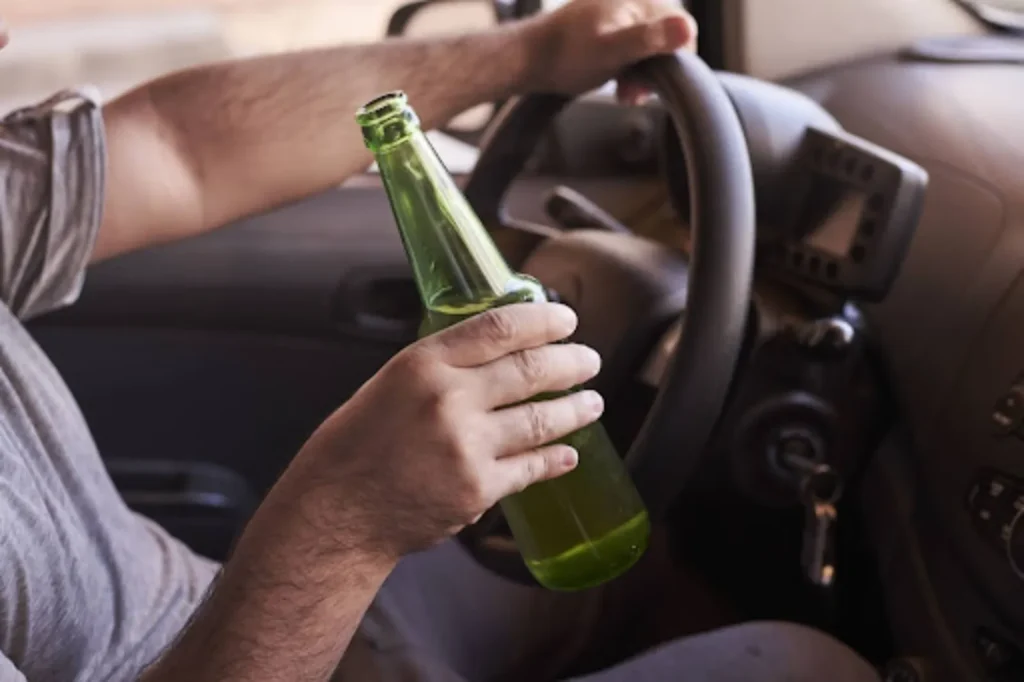
How Our Muncie Drunk Driving Accident Attorneys Approach These Cases

Most families are surprised by how quickly the narrative starts to shift after a drunk driving crash. Even when a driver blows over the legal limit or is arrested for OWI, the insurance company will still look for ways to downplay your injuries or argue that something else caused them. We step into that gap early and build the file the way we know a defense lawyer or jury will actually look at it.

When you hire Christie Bell & Marshall after a drunk driving crash in Muncie, we typically:

  • Secure critical evidence while it still exists. That includes crash reports, 911 recordings, field sobriety test notes, video from body-worn and dash cameras, and any breath or blood test results. We also move fast to get nearby business or traffic camera footage before it is overwritten.
  • Dig into the criminal OWI case. We track hearing dates, charge levels, and plea discussions, and obtain transcripts and exhibits when they help prove impairment in your civil claim. The criminal case and your injury claim are separate, but they often share key evidence.
  • Build a clear medical timeline. Drunk driving crashes frequently cause concussions, spine injuries, and orthopedic damage that unfold over weeks or months. We work with your providers so the records tie those injuries to the collision and explain why you are still having problems.
  • Identify every potential source of coverage. In some cases, that means not only the drunk driver’s policy and your underinsured motorist coverage, but also exploring whether a bar, restaurant, or social host may share responsibility under Indiana’s dram shop and furnishing laws.
  • Prepare the case as if a trial is likely. Insurers take drunk driving claims more seriously when they know your lawyer is willing and able to put a dangerous driver in front of a Delaware County jury if that is what it takes to get a fair result.

This approach has helped our firm deliver outcomes like a $60,000,000 motor vehicle verdict and other significant recoveries listed in our case results.

Speak with a personal injury lawyer today. Call: 317-488-5500

How Indiana OWI Laws Affect Your Civil Claim

Most people use “DUI” to describe drunk driving. Indiana’s statutes use “operating while intoxicated,” or OWI. Under Indiana Code chapter 9-30-5, it is a crime to operate a vehicle with a blood or breath alcohol concentration of 0.08 or higher, and penalties escalate when the level is 0.15 or above or when someone is hurt or killed.

On the civil side, the existence of an OWI charge does a few important things for your case:

  • It helps establish negligence per se, because the driver violated a safety statute designed to protect people exactly like you.
  • It can support a claim for enhanced damages, including punitive damages in the right fact pattern.
  • It provides a paper trail — police reports, test results, plea agreements — that we can use to corroborate impairment.

Under Indiana’s drinking and driving laws, an OWI charge can strengthen the civil case because it creates documentation and test results that are difficult for insurers to explain away.

Complete a Free Case Evaluation form now

What Compensation Can You Recover After a Muncie Drunk Driving Crash?

Legally, drunk driving injury claims are still personal injury cases, so the categories of compensation look similar to other serious car accidents. The difference is often in the severity of harm and the potential for punitive damages. Depending on your facts, you may be able to pursue:

  • All past and future medical expenses, including emergency care, surgery, rehabilitation, and pain management
  • Lost wages and loss of future earning capacity if you cannot return to your prior job or hours
  • Out-of-pocket costs, such as travel for treatment and home or vehicle modifications
  • Pain and suffering, emotional distress, and loss of enjoyment of life
  • Wrongful death damages for eligible family members if a loved one was killed

In egregious cases, Indiana law also allows punitive damages to punish and deter especially reckless conduct. However, under Indiana Code § 34-51-3-4, punitive damages generally cannot exceed the greater of three times the compensatory damages or $50,000, and 75 percent of any punitive award is paid into a state fund rather than directly to the injured person. Part of our job is to be honest with clients about when punitive damages may be realistic and how they interact with insurance coverage and state caps.

Click to contact us today

Common Injuries in Muncie Drunk Driving Accidents

Drunk driving crashes tend to cause more severe injuries than other car accidents because impaired drivers often react late or not at all before impact. That means higher speeds, less braking, and crashes that catch victims completely off guard. In our experience representing drunk driving victims, we regularly see injuries such as:

  • Traumatic brain injuries and concussions. These range from mild concussions with weeks of headaches and memory problems to severe TBIs requiring long-term cognitive therapy or permanent care.
  • Spinal cord injuries and paralysis. High-force collisions can damage the spinal cord, leading to partial or complete paralysis that changes every aspect of a person’s life.
  • Broken bones and fractures. Arms, legs, ribs, pelvis, and facial bones are common fracture sites in drunk driving crashes, often requiring surgery and months of recovery.
  • Internal injuries. Blunt force trauma can damage organs such as the liver, spleen, kidneys, or lungs, sometimes requiring emergency surgery and extended hospitalization.
  • Soft tissue injuries. Whiplash, torn ligaments, herniated discs, and muscle damage may not show up immediately but can cause chronic pain and limit your ability to work or enjoy daily activities.
  • Psychological trauma. Anxiety, depression, and post-traumatic stress disorder are common after being hit by a drunk driver, especially when the crash was particularly violent or involved the loss of a loved one.

Contact a Muncie Drunk Driving Accident Attorney

Christie Bell & Marshall offers free consultations for drunk driving crash victims. We will review what happened, look at your injuries and treatment to date, and give you straightforward advice about the next steps. You pay nothing in attorney’s fees unless we recover compensation for you.

You can contact us today to speak with a Muncie drunk driving accident attorney and start the process of holding the impaired driver financially accountable.

FAQs About Muncie Drunk Driving Accident Claims

Do I have a civil case if the driver is charged with OWI?

Yes. The criminal OWI case and your civil injury claim are separate. A criminal charge — and especially a conviction — can strengthen your civil case because it helps show the driver violated Indiana’s drunk driving laws, but you do not have to wait for the criminal case to finish before pursuing compensation.

Do I need a conviction before I can recover damages?

No. Civil cases use a lower burden of proof than criminal prosecutions. You can win a civil drunk driving claim even if the OWI charges are reduced or dismissed, as long as the evidence shows the driver was negligent and that negligence caused your injuries.

How long do I have to file a lawsuit after a drunk driving crash in Indiana?

In most Indiana personal injury cases, including drunk driving accidents, you have two years from the date of the crash to file a lawsuit under Indiana Code § 34-11-2-4. There are exceptions when government entities are involved, and waiting until the end of that period can seriously weaken your case.

Can I get punitive damages if I was hit by a drunk driver?

Punitive damages are possible in some Indiana drunk driving cases, but they are not automatic. Courts look for evidence of especially reckless or willful conduct, such as extremely high BAC levels, repeat OWI history, or causing catastrophic injury or death. Even when punitive damages are awarded, state law caps the amount under Indiana Code § 34-51-3-4 and directs most of it to a state fund rather than to the injured person.

What if I was a passenger in the drunk driver’s car?

Passengers injured while riding with an impaired driver still have the right to bring a claim, usually against that driver’s liability coverage and sometimes against underinsured or uninsured motorist coverage. The insurance company may argue you share blame for getting into the car, so comparative fault issues can be more complicated. A lawyer can help frame your decisions in context and push back on attempts to saddle you with an unfair share of fault.

What if the drunk driver was under 21?

Indiana’s OWI laws are even stricter for drivers under 21, and an underage drunk driver who causes a crash can face both criminal penalties and civil liability. In some situations, it may also be appropriate to investigate where the underage driver obtained alcohol and whether any adults or businesses violated furnishing laws.

Will the criminal case automatically pay my medical bills?

No. Criminal courts can order restitution in some cases, but those awards are often limited and do not cover the full scope of medical care, lost income, and long-term harm. The primary path to recovering full compensation is a civil claim against the drunk driver and any other responsible parties.