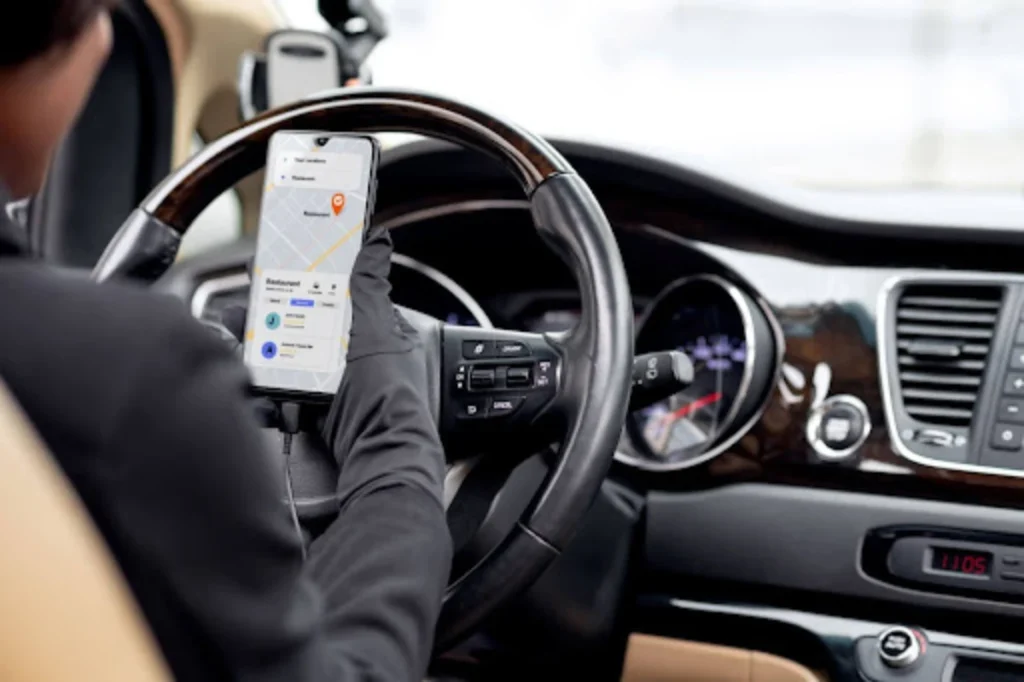
At Christie Bell & Marshall, our experience as trusted South Bend car accident lawyers directly strengthens the way we handle Uber and Lyft cases. With decades of experience in Indiana, we know how to manage app data, commercial policies, and corporate reporting requirements to build a strong case. From the moment you contact us, your attorney will act immediately to preserve crucial evidence and build a strong case, supported by proof that insurers cannot ignore.

How Our South Bend Uber & Lyft Accident Attorneys Build Your Case

Rideshare cases demand immediate action because critical evidence disappears within days. Insurance companies know this, which is why they rush to lock in recorded statements and push early settlement offers before you understand the full value of your claim. At Christie Bell & Marshall, we don’t let that happen. Our South Bend team moves fast to secure every piece of proof while it’s still available, building cases that insurers can’t ignore.

When you contact us after an Uber or Lyft accident, we immediately begin preserving the digital and physical evidence that determines liability and damages:

  • Requesting the police crash report, 911 audio, and all available dispatch recordings from St. Joseph County.
  • Securing bodycam video and business surveillance footage in busy routes, including downtown South Bend and corridors leading to U.S. 31 and the Indiana Toll Road.
  • Downloading event data recorder (EDR) information documenting braking, speed, and steering inputs before impact.
  • Reviewing the driver’s prior accident history, hours logged on the platform, and potential fatigue or distraction patterns.
  • Identifying all applicable policies, including your own underinsured motorist coverage and any medical payments protection.

This level of preparation allows us to negotiate from a position of strength. It is the same approach that helped us secure significant motor vehicle recoveries across Indiana, including a $750,000 settlement for an injured Uber passenger that appears among our published case results

If you were injured in a South Bend Uber or Lyft accident, we encourage you to schedule a free initial consultation with Christie Bell & Marshall so that we can sit down together, discuss the specific circumstances of your case, and walk you through how we can help you build a strong claim and secure the full compensation you deserve for your injuries and losses. There’s absolutely no obligation to move forward after our conversation, and you won’t pay us a single dollar in attorney fees unless we successfully win your case and recover compensation on your behalf.

Speak with a personal injury lawyer today. Call: 317-488-5500

How Insurance Works in South Bend Uber & Lyft Crashes

Indiana’s transportation network company laws under Indiana Code Title 8, Article 2.1, Chapter 19.1, lay out which minimum coverages must apply when a rideshare driver is using the app.

Our South Bend team begins by determining the driver’s app status, because that affects which insurance applies. If the driver was offline, their personal policy is the primary coverage. If they were waiting for a ride request, Uber or Lyft provides contingent coverage. If a trip is accepted or underway, the companies offer up to $1 million in third-party liability coverage. 

The challenge is that insurers often dispute whether the high-level coverage applies. To counter this, we create a precise timeline of the ride using app screenshots, trip data, GPS coordinates, phone records, witness accounts, and EDR readings. When insurers try to shift responsibility or argue the driver had not yet reached the relevant coverage phase, we present a compelling narrative that favors your case.

Complete a Free Case Evaluation form now

Who Can Be Liable After a Rideshare Collision

These cases often involve multiple defendants and insurance policies, and identifying all of them before filing your claim is critical—because once you settle with one party, you typically can’t go back and pursue others even if you later discover they were also at fault. That’s why your South Bend Uber & Lyft accident attorney conducts a complete liability investigation from day one, ensuring that every responsible party and every available insurance policy is identified and pursued. Depending on the accident’s circumstances, liable parties may include:

  • The Uber or Lyft driver, for speeding, distraction, fatigue, or impaired driving.
  • Another negligent driver, if their actions triggered a chain reaction or multi-vehicle crash.
  • The rideshare company, when its procedures or oversights contribute to an unsafe situation.
  • Vehicle owners or fleet managers, when maintenance failures or negligent entrustment contributed to the harm.
  • Bars or social hosts, in alcohol-related crashes that fall within Indiana’s dram shop principles.

Christie Bell & Marshall evaluates every potential defendant and insurance policy so you don’t get stuck recovering from a driver’s minimal personal policy when Uber or Lyft’s $1 million commercial coverage should apply—or when a third party’s negligence adds another layer of available compensation. Our job is to make sure every responsible party pays their share, maximizing your total recovery.

Click to contact us today

Indiana Laws and Deadlines That Affect Your Claim

Some of the most important rules to consider after an Uber or Lyft accident include:

  • Statute of limitations: Most injury lawsuits must be filed within two years under Indiana Code § 34-11-2-4. Failing to file in time bars recovery.
  • Comparative fault: Under Indiana’s modified system (as per Indiana Code § 34-51-2-5), you can recover compensation if you are less than 51 percent at fault, but your award decreases with your share of responsibility.
  • Accident reporting obligations: Indiana law requires you to report crashes involving injury, death, or more than $1,000 in damage, and to file a BMV report within 10 days. Not doing so may jeopardize your rideshare claim.

We’ve handled rideshare cases across Indiana for decades, and we know that insurers routinely use missed deadlines and technicalities to avoid paying valid claims. When we represent you, procedural compliance is handled—so your case moves forward on the merits, not dismissed on a technicality.

Injuries We See in South Bend Uber & Lyft Crashes

  • Neck and back injuries, including herniated discs and spinal trauma
  • Traumatic brain injuries, from concussions to long-term cognitive impairment
  • Broken bones, especially in the arms, wrists, ribs, and pelvis
  • Soft-tissue injuries, including ligament tears and severe sprains
  • Internal injuries, including organ damage and internal bleeding
  • Psychological injuries, including anxiety, trauma responses, and fear of future rideshare use

Attorney insight: Lee Christie frequently reminds clients that consistency in treatment is one of the most important factors in maximizing compensation. Insurers look for gaps in care or inconsistent follow-up to argue that injuries are not severe. A clear medical timeline and detailed documentation strengthen your claim and support settlement values.

Damages You Can Recover After an Uber or Lyft Accident

Rideshare accidents can cause serious injuries even at moderate speeds, especially when passengers are caught off guard by sudden stops, sideswipes, or T-bone collisions at intersections. Unlike drivers who may brace for impact, passengers often have no warning before a crash occurs, which can result in more severe trauma. At Christie Bell & Marshall, we’ve represented rideshare accident victims with a wide range of injuries, including:

  • Emergency and ongoing medical care, including future surgeries or therapy
  • Lost wages, including missed shifts and reduced earning capacity
  • Transportation and recovery costs, including home assistance and adaptive equipment
  • Pain, emotional distress, and reduced enjoyment of life
  • Permanent impairment or disability-related losses

A serious rideshare crash affects more than your immediate medical bills. It changes your daily routines, work capacity, and long-term health. We account for all of these losses when valuing your case.

Start Your South Bend Uber & Lyft Accident Consultation

Rideshare crashes combine the challenges of traditional motor vehicle claims with the extra hurdles of app-based driving and corporate insurance systems. When you contact Christie Bell & Marshall, you gain access to over 30 years of experience in personal injury law in Indiana, maximizing your chances of a successful outcome.

During your initial consultation, a lawyer from our team will review the details of your case and outline potential next steps. Contact us today for a free case review—there are no fees unless we secure compensation on your behalf.

FAQs About Uber & Lyft Accident Claims in South Bend

What should I do right after a South Bend Uber or Lyft crash?

Call 911 and your attorney. Follow all medical recommendations and document the scene by taking photos of vehicle positions, intersection signs, weather conditions, and your injuries. Get witnesses’ contact information and report the crash through the Uber or Lyft app.

Who pays medical bills after an Uber or Lyft accident in South Bend?

Several insurance layers may apply, including the rideshare driver’s personal policy, Uber or Lyft’s commercial coverage, and your own MedPay or UM/UIM benefits. Our attorneys examine these policies to direct bills to the proper insurer and preserve your civil claim.

Do I have a case even if the Uber or Lyft driver was not ticketed?

Yes. Traffic citations help, but are not required to prove negligence. Many cases succeed through witness testimony, EDR data, damage patterns, and video evidence.

How long do I have to file a rideshare injury lawsuit?

Most claims must be filed within two years according to Indiana’s statute of limitations. Some cases involving government defendants or minors have different rules. Consult with a legal professional to ensure you don’t miss important deadlines.

Will my case go to trial?

Most rideshare cases settle, but we prepare every case for trial from day one. That preparation signals to insurers that low offers will not be accepted and positions your claim for full value.