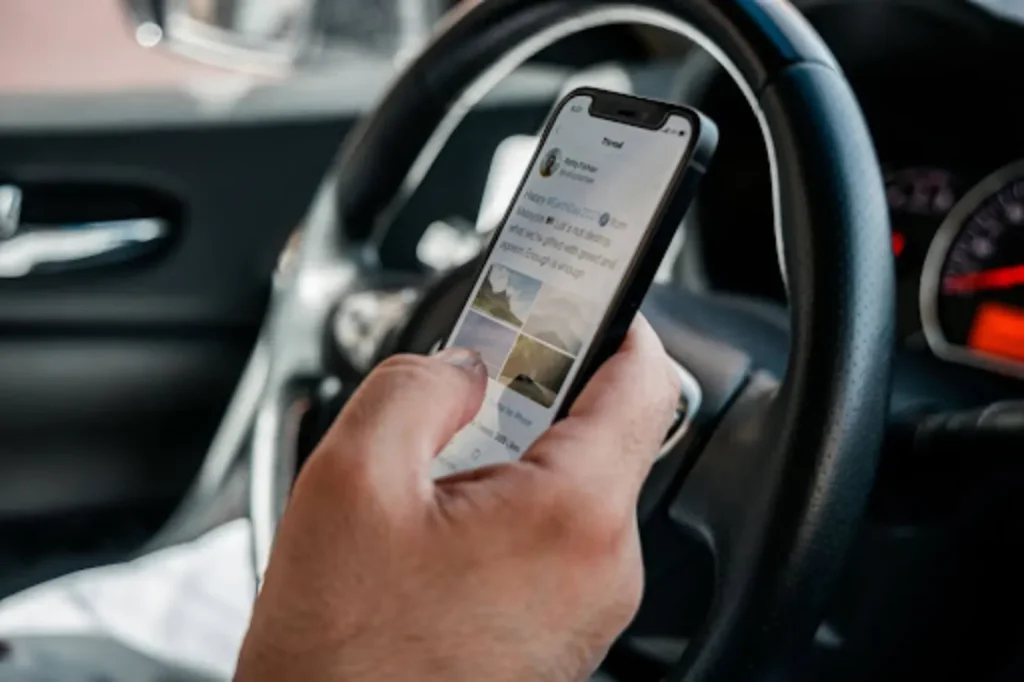
How Our Lafayette Texting and Driving Accident Attorneys Help

When you trust Christie Bell & Marshall with a Lafayette texting and driving case, you can expect your attorney to:

  1. Move quickly to preserve evidence such as security video, dashcam footage, and vehicle data that may show braking, speed, or impact timing.
  2. Build the liability narrative using the police report, witness statements, scene measurements, photos, and the patterns of damage to reconstruct how the collision happened.
  3. Coordinate your medical records so that the documentation clearly explains the injury mechanism, diagnosis, treatment, and future care in a way that insurers cannot easily minimize.
  4. Calculate damages with an eye toward the costs you will still be paying later, not just the bills that arrived this week, and prepare the case as if it could be tried if the carrier refuses a fair number.

We also handle all insurer communications so you are not pressured into early statements or quick settlements, and we prepare every case as if it could go to trial, because that is what creates leverage when the defense knows you are serious about proving what happened.

Speak with a personal injury lawyer today. Call: 317-488-5500

Why Texting and Driving Crashes Get Complicated Fast

Texting and driving crashes can get complicated because distraction is easy to deny after the fact. Drivers almost never admit they were looking at their phone, and insurers often argue there is “no proof” unless someone caught the phone on video or the driver confesses.

At the same time, evidence does not wait. Security footage gets overwritten, vehicles are repaired, and witnesses forget details or become hard to reach. Even your own recollection can fade while you are focused on medical appointments, pain, and getting back to work.

In these cases, your leverage comes from preparation, and preparation only works when it happens early. The stronger and cleaner the evidence trail, the harder it is for the defense to downplay what happened or shift blame. You do not need a dramatic crash to have a valid claim, but you do need proof that makes it hard for the defense to rewrite the story.

Complete a Free Case Evaluation form now

What Indiana’s Hands-Free Rules Mean for a Texting and Driving Case

The state law helps us frame distraction as a safety violation instead of a minor lapse – Indiana Code 9-21-8-59 prohibits drivers from typing, transmitting, or reading text messages or electronic communications while operating a motor vehicle. The statute allows only narrow exceptions, such as:

  • Using a device to call 911 or contact emergency services
  • Using hands-free or voice-to-text features that do not require typing or reading
  • Using a device while the vehicle is stopped and not in traffic (for example, parked)

The law applies to all drivers, regardless of age, and violations can result in fines and points on the driver’s license. In accident cases, this law matters because it helps establish fault, as it turns texting while driving into a defined legal violation, affecting how liability, settlement negotiations, and potential lawsuits play out after a crash.

If you are not sure where to start or whether a texting and driving claim makes sense in your situation, you can schedule a free initial consultation with a Lafayette lawyer. We will review the facts, explain what laws may have been violated, and help you understand how those violations impact your ability to recover compensation. There is no cost to ask, and no pressure to commit until you know the full picture.

Click to contact us today

Evidence That Can Prove the Driver Was Texting

NHTSA reported that 3,308 people were killed in a year in crashes involving distracted drivers, with hundreds of thousands more injured. Despite how common these crashes are, many people assume that proving a driver was texting is impossible unless police confiscate the phone. In reality, a well-built texting and driving case doesn’t depend on a single piece of evidence and instead relies on a combination of digital, physical, and testimonial proof. 

Depending on the facts, evidence can include:

  • Witness accounts that describe the driver looking down, drifting between lanes, braking late, or accelerating into stopped traffic.
  • Video footage from nearby businesses, intersections, or doorbell cameras that captures the moments leading up to the crash.
  • Vehicle data, such as event data recorder information, showing speed changes, braking timing, and patterns consistent with driver inattention.
  • Scene evidence, including impact angles, crush patterns, and final rest positions, used to reconstruct how the collision occurred.
  • Phone and app records, when obtained through proper legal channels, that help establish usage patterns around the time of the crash.

At Christie Bell & Marshall, we look for multiple proof sources that reinforce each other, so even if one piece is disputed, the overall picture still holds. This is also where early intake matters—The details you share in the first call often guide which evidence sources your lawyer will chase first.

What If the Insurer Says You Were Partly at Fault?

If the insurer claims you are partly at fault in a texting and driving case, it does not automatically bar your claim, but it can reduce or potentially eliminate the compensation you recover. This is because Indiana follows a modified comparative fault approach in negligence cases, which means your compensation is reduced by the percentage of fault assigned to you, or completely barred if you are found more than 50% at fault.

Insurers can try to argue partial fault to reduce what they owe, but those claims are not the final word. When there is solid evidence that the other driver was texting, it can outweigh minor driving mistakes because it shows distraction and a clear violation of traffic laws. Our role is to present objective evidence that ties the crash to the distracted driver’s conduct and prevents the insurer from shifting responsibility onto you.

Injuries We See After Texting and Driving Collisions

  • Concussions and other traumatic brain injuries
  • Neck and back injuries, including disc issues and chronic pain patterns
  • Fractures in wrists, ribs, arms, and legs
  • Shoulder and knee injuries from bracing and twisting at impact
  • Soft tissue injuries that require extended therapy, imaging, or specialist care

An attorney from Christie Bell & Marshall can document how the collision caused your injury, the treatment you have needed, what recovery looks like, and any lasting limitations. When that medical story is organized and consistent, insurers have a much harder time arguing that your pain is unrelated, exaggerated, or temporary.

Damages in a Lafayette Texting and Driving Accident Claim

Depending on the specifics of your case, damages may include:

  • Medical expenses from ER care through rehab, imaging, injections, surgery, and future treatment recommendations
  • Lost wages from missed work, reduced hours, or inability to return to the same role
  • Loss of earning capacity when injuries change the kind of work you can realistically sustain
  • Out-of-pocket costs like prescriptions, travel to appointments, and replacement services you now have to pay for
  • Pain and suffering tied to physical pain, functional limits, sleep disruption, and loss of normal activities
  • Property damage and related costs, including rental cars and diminished value issues when applicable

The value of these damages depends on how clearly the evidence shows the full impact of the crash. We believe an evidence-first approach helps translate injuries, expenses, and long-term consequences into meaningful compensation, which is reflected in the serious injury recoveries shown in our published case results.

How These Cases Typically Move Toward Settlement

Most claims settle when the file becomes expensive to fight and risky to defend. That is why we structure the process around leverage. In a typical Lafayette texting and driving claim, your lawyer will:

  1. Preserve and gather evidence early, especially anything time-sensitive like video or vehicle data.
  2. Build a clean liability presentation that explains what happened in plain language, backed by proof.
  3. Document medical damages with a clear treatment chronology, objective findings, and prognosis.
  4. Submit a demand that tells a complete story: liability, injuries, costs, and future impact.
  5. Negotiate from a position of readiness, meaning we are prepared to litigate if the carrier insists on delay tactics.

Contact Our Lafayette Texting and Driving Accident Attorneys

If you were hit by a texting driver in Lafayette or elsewhere in Tippecanoe County, you do not need to wait until the insurer decides whether your claim is valid. The smarter move is to act while the best evidence still exists and while your medical documentation can be built the right way from the start.

Talk to Christie Bell & Marshall about what happened. A lawyer from our team can explain your options, identify evidence that should be preserved right away, and walk you through how liability, damages, and insurance coverage apply to your case. 

To schedule a free consultation, contact us today. You pay $0 in legal fees unless we recover compensation for you.

FAQs About Texting and Driving Accidents in Lafayette

How do you prove the other driver was texting?

Usually, through a combination of evidence, including witness statements, video footage, crash reconstruction indicators, and legally obtained phone or app activity records when available.

What should I do right after a suspected texting and driving crash?

Call 911, seek medical evaluation, take photos of vehicle positions and damage, and get witness contact information. If you noticed phone use, write down exactly what you saw while it is fresh, because small details matter later.

Can I still recover compensation if the insurer says I share some blame?

Potentially, yes. Comparative fault arguments are common in distraction cases, and the outcome often depends on evidence quality, not the adjuster’s first opinion.

What compensation can I pursue?

It depends on your injuries and financial impact, but it often includes medical bills, lost income, future care, pain and suffering, and property-related losses.