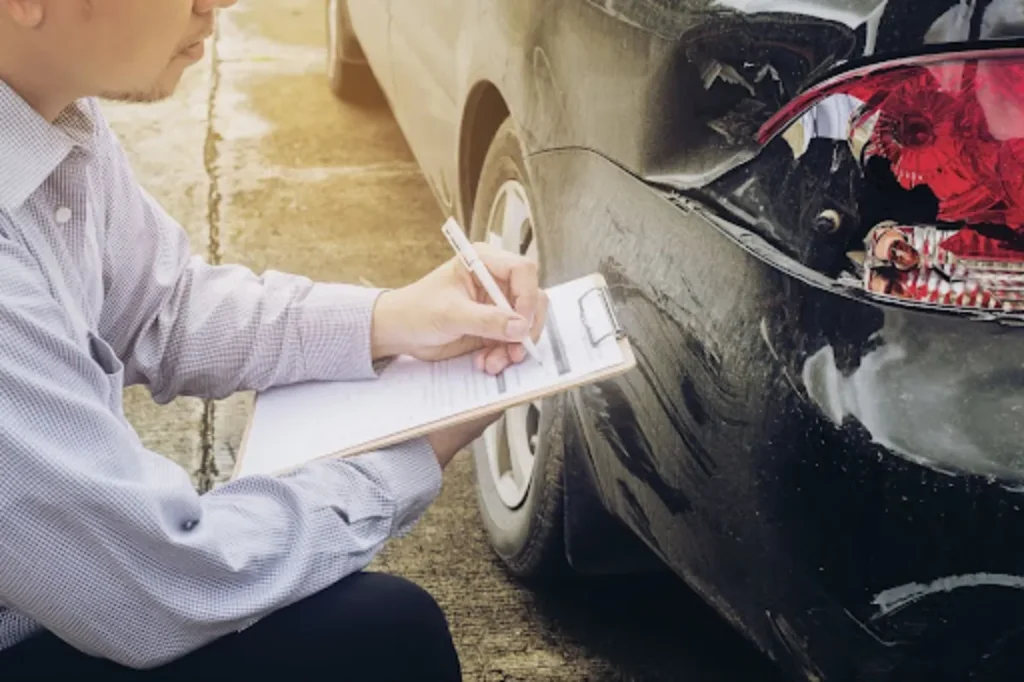
Side-impact accidents, also called T-bone collisions, are very common on Bloomington’s roads and are often caused by failures to yield, red-light violations, or distracted driving. With little structural protection, these accidents can leave victims with more severe injuries than those encountered in rear-end or low-speed collisions. To recover compensation under Indiana law, you need to prove the at-fault driver’s negligence through comprehensive evidence collection and aggressive negotiation.

At Christie Bell & Marshall, our Bloomington car accident lawyers bring over 40 years of experience to the table in handling cases of this nature. When working with us, your attorney will collect surveillance footage, 911 audio, black box data, and witness testimony to reconstruct exactly how the collision occurred and counter certain insurance arguments. We also know the layout, traffic flow, and problem intersections in Bloomington, and we use that local knowledge to build claims grounded in strong evidence and Indiana law.

How Our Bloomington Side-Impact Accident Attorneys Build Your Case

T-bone collisions create unique liability challenges because both drivers often claim they had the right-of-way, the green light, or legal priority to proceed through the intersection—disputes that insurance companies exploit by arguing mutual fault, claiming the traffic signal evidence is ambiguous, or suggesting that both drivers share equal responsibility under Indiana’s comparative fault rule, which would dramatically reduce your recovery or bar it entirely if adjusters convince a jury you were more than 50% at fault. 

When Christie Bell & Marshall take on a case, our investigation typically includes:

  • Securing police crash reports, officer diagrams, and 911 recordings.
  • Obtaining traffic camera footage near major intersections.
  • Reviewing event data recorder (EDR) information showing speed, braking, and angle of impact.
  • Analyzing intersection design, lighting conditions, and traffic signal timing.
  • Identifying witness statements that establish right-of-way or failure to yield.
  • Reviewing whether the at-fault driver violated traffic rules, such as those specified under Indiana Code § 9-21-8-35.

If disputes arise over which driver had a valid green light or right-of-way, we examine physical evidence, signal cycles, and impact geometry. Christie Bell & Marshall’s thorough approach to evidence collection and analysis allows your attorney to establish a compelling narrative of the accident. By meticulously piecing together each detail, we create a strong foundation to advocate for your rights.

Speak with a personal injury lawyer today. Call: 317-488-5500

Why Side-Impact Crashes Are Especially Dangerous in Bloomington

Bloomington’s intersection collision risk factors reflect a combination of high-volume university traffic, aggressive driving during peak commute periods, and intersection design challenges that create confusion about right-of-way and signal timing:

  • A driver runs a red light or stop sign.
  • A left-turning vehicle misjudges oncoming traffic.
  • A distracted driver rolls through an intersection.
  • Speeding or late braking prevents the at-fault driver from stopping.
  • A driver fails to yield when turning from one-way streets downtown.

These accidents concentrate force directly at the occupant level, bypassing the front-end crumple zones that protect drivers in other crash types. Even impacts at moderate speeds can produce significant injuries, making a detailed investigation essential.

Complete a Free Case Evaluation form now

Who Is Liable in a Bloomington T-Bone Accident

Christie Bell & Marshall protects your right to full compensation by immediately gathering the objective evidence—traffic camera footage, EDR data, signal timing records, witness statements—that proves which driver violated Indiana traffic law and caused the collision, while simultaneously investigating whether additional parties share legal responsibility in ways that increase the total insurance coverage available for your injuries. 

Depending on the accident’s circumstances, responsible parties may include:

  • The striking driver, for running a light, failing to yield, or driving while distracted.
  • A turning driver, if they misjudged oncoming vehicles or violated right-of-way rules.
  • Commercial employers, when a delivery driver or rideshare vehicle struck the victim.
  • Vehicle manufacturers or repair shops, if brake failure or faulty steering contributed.

The state’s modified comparative fault system under Indiana Code § 34-51-2-5 allows you to recover damages as long as you are less than 51% responsible. However, your compensation will be reduced by your percentage of fault. In this scenario, securing legal help early on helps both ensure that your compensation is not unnecessarily reduced and negotiate effectively to maximize your recoverable damages.

Click to contact us today

Injuries Commonly Seen in Side-Impact Collisions

Insurance adjusters handling T-bone collision claims routinely mischaracterize the injury severity by focusing on vehicle speeds or visible vehicle damage, while ignoring the fundamental biomechanics that make lateral impacts far more dangerous than rear-end or frontal collisions. 

Our Bloomington clients involved in side-impact car accidents frequently face:

  • Rib fractures and chest trauma
  • Pelvic and hip injuries from lateral force
  • Head injuries, including concussions and traumatic brain injuries
  • Spinal injuries, including disc herniation and nerve compression
  • Shoulder, arm, and clavicle injuries
  • Internal injuries, including organ damage
  • Chronic pain, dizziness, or mobility limitations

Attorney Lee Christie has represented side-impact collision victims throughout his decades of practice, and he consistently emphasizes that comprehensive imaging and specialist evaluation immediately after T-bone crashes is critical to defeating insurance company arguments about causation and injury severity. “Adjusters know that emergency rooms often focus on the most obvious injuries—broken bones, lacerations, obvious head trauma—while missing internal organ damage, subtle brain injuries, and spinal ligament tears that don’t show on initial X-rays,”

Damages You Can Recover After a Side-Impact Crash

Insurance companies’ early T-bone collision settlements—usually covering only initial emergency care and a few weeks of lost wages—fail to account for long-term complications that emerge months or years later.

Depending on the severity of the accident, you may recover the following damages:

  • Emergency and ongoing medical treatment
  • Future rehabilitation or surgery
  • Lost wages and reduced earning capacity
  • Pain, emotional suffering, and reduced quality of life
  • Vehicle replacement or repair costs
  • Permanent disability or impairment damages

Indiana law allows full recovery of these damages from negligent defendants, but insurers don’t pay them voluntarily—they wait for injury victims to accept early offers, or they deny claims hoping you’ll give up, or they force litigation banking on the reality that most people can’t afford to wait years for trial while medical bills pile up and creditors threaten foreclosure. 

Your side-impact attorney will eliminate that leverage by building your T-bone collision case around detailed medical documentation from trauma specialists, expert testimony from economists and life-care planners, and comprehensive damage presentations.

Start Your Bloomington Side-Impact Accident Claim Today

If responsibility is disputed or the insurer minimizes your injuries, a lawyer can make the difference between a low offer and a settlement that reflects the true impact of the collision. At Christie Bell & Marshall, our Bloomington team works tirelessly to gather and analyze evidence, create a clear strategy tailored to your situation, and pursue all available sources of compensation.

If you were injured in a T-bone or side-impact crash, don’t wait to pursue legal action. Contact us for a free consultation and get clarity on the next steps.

FAQs About Side-Impact Car Accidents in Bloomington

What should I do immediately after a side-impact crash in Bloomington?

Call 911 and seek medical care, even if symptoms appear mild. If it is safe, take photos of the intersection, traffic signals, debris patterns, and vehicle damage. Collect witness names and request the police crash report. Then, contact a lawyer to preserve important evidence and manage communications with insurers.

Who is usually at fault in a side-impact or T-bone collision?

Fault typically falls on the driver who violated a traffic rule, such as running a red light, failing to yield, or making an unsafe left turn.

Can I recover compensation if I was partially at fault?

Yes. Under Indiana’s modified comparative fault system, you may recover damages if you are less than 51 percent responsible.

What injuries are common in Bloomington side-impact accidents?

T-bone collisions often cause rib fractures, pelvic injuries, spinal damage, concussions, internal injuries, and chronic pain due to the strong lateral force. Our Bloomington car accident lawyers work with medical specialists to document the full extent of your injuries so insurers cannot minimize them.

How long do I have to file a claim after a side-impact crash?

Most personal injury lawsuits must be filed within two years under Indiana Code § 34-11-2-4. However, if a government vehicle contributed to the crash, different deadlines may apply. Consulting a lawyer early helps protect evidence and ensures all required notices are filed on time.

Do side-impact accident cases typically go to trial?

Most cases resolve through negotiation, but a trial may be necessary if the insurer disputes fault or claims your injuries are minor. We prepare every case for litigation from the beginning, which strengthens negotiation leverage and helps secure settlements that reflect the full extent of your damages.