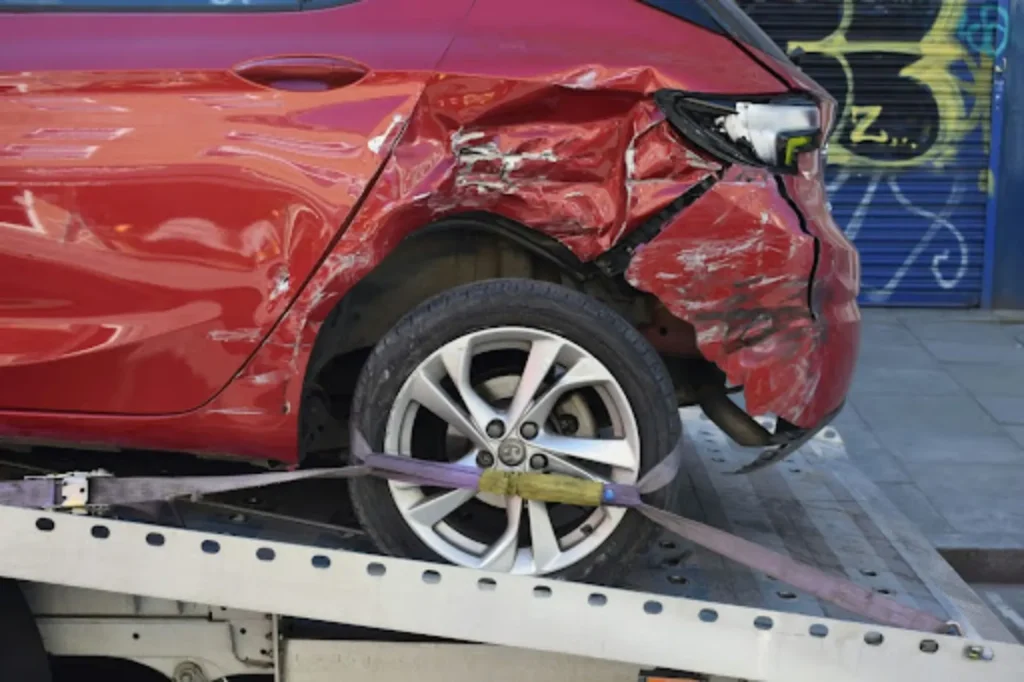
How Our Lafayette Rear-End Accident Lawyers Help You From Day One

Rear-end cases can be undermined by delay, missing documentation, or early insurance pressure that pushes people into quick settlements before the real medical picture is clear. Our job is to take the weight off your shoulders and build a claim that is hard to minimize. When you hire a lawyer from our team, you can expect:

  1. Securing crash evidence immediately. Your lawyer moves fast to obtain the police report, photos, witness statements, and any available surveillance or dashcam footage.
  2. Building medical documentation that shows real impact. Rear-end injuries are often brushed off as minor unless medical records clearly link symptoms to the collision.
  3. Taking over insurance communication. If an insurance adjuster calls fast after a crash, this is rarely to help injured drivers. Your lawyer can handle these conversations and prevent inconsistencies or pressure tactics from weakening your case.
  4. Identifying all available insurance coverage. Rear-end crashes may involve more than one policy, especially when a work vehicle, rideshare, or commercial driver is involved. Your lawyer reviews liability coverage, underinsured motorist benefits, and medical payments options so no compensation is overlooked.
  5. Preparing the claim as if it will go to trial. Insurance companies take cases more seriously when they know the lawyer handling the claim is willing and able to litigate. Our firm’s track record, reflected in our case results, is built on that exact approach.

Our Lafayette rear-end accident lawyers step in to handle the investigation, the insurance pressure, and the legal deadlines so you can focus on recovery. From the moment you call, we start protecting your claim by securing evidence, coordinating with your medical providers, and making sure the insurance company does not control the narrative. 

You are not just another file to us, and we will fight to make sure your case reflects the real impact this collision had on your life.

Speak with a personal injury lawyer today. Call: 317-488-5500

Why Rear-End Crashes Happen in Lafayette and How Fault Gets Proven

Most rear-end collisions involve a driver following too closely, looking down for a moment, or misjudging stopping distance, with the impact happening before they can react. Common causes our attorneys see in Lafayette include:

  • Tailgating and aggressive lane changes that leave no reaction time
  • Phone distraction, navigation use, and driver inattention in stop-and-go traffic
  • Speed that is unsafe for conditions, for example, when rain or low visibility reduces the stopping distance
  • Chain reaction crashes where the first impact triggers multiple rear-end impacts
  • Commercial vehicle braking distance issues, driver fatigue, or scheduling pressure

Even when fault seems obvious, proof still matters. Your attorney will focus on the details insurers use to argue about liability, including point of impact, vehicle damage consistency, witness timing, and whether the rear driver made statements at the scene that later change once insurance gets involved.

Complete a Free Case Evaluation form now

Who Can Be Liable in a Rear-End Accident That Seems Straightforward

Depending on the facts, liability can include:

  • The rear driver, for following too closely, distraction, speeding, fatigue, or impairment that prevents timely braking.
  • A third driver, when an unsafe lane change, sudden cut-in, or abrupt stop creates a chain-reaction collision.
  • An employer, when a driver causes the crash while acting within the scope of their job duties.
  • A commercial motor carrier, when company policies or failures, such as improper scheduling or inadequate training, contribute to the collision.
  • A vehicle owner, repair shop, or maintenance provider, when faulty brake lights, worn braking systems, or other neglected safety components play a role in the crash.

Indiana’s fault rules also matter because insurers may try to shift blame to reduce what they pay. That is why we build the file with the expectation that comparative fault arguments will be raised, then defeat them with clear evidence and consistent documentation.

Click to contact us today

Injuries We See After Rear-End Collisions and Why They Get Dismissed Too Easily

Delaying medical care after a traffic accident is a costly mistake. Many clients walk away thinking they are fine, only to experience worsening stiffness, headaches, tingling, or back pain within days. Insurers use that delay as an excuse to argue the injury is unrelated, so it is important to treat symptoms seriously and document them early. Common rear-end accident injuries include:

  • Whiplash and soft tissue injuries that restrict mobility and sleep
  • Concussions and post-concussion symptoms, especially when the head snaps back into the headrest
  • Herniated or bulging discs that create radiating pain into the arms or legs
  • Shoulder, wrist, and knee injuries caused by bracing for impact
  • Anxiety and driving-related fear that affects daily functioning

Damages We Pursue in Lafayette Rear-End Accident Claims

A rear-end settlement should reflect more than the first ER bill and a few repair estimates. If your case is built properly, it will account for the full cost of the injury, including what the crash changed in your work life, your household life, and your long-term health. Damages may include:

  • Emergency care, follow-up appointments, physical therapy, imaging, injections, and medications
  • Future medical treatment when symptoms persist or worsen over time
  • Lost income, missed shifts, loss of future earnings, and reduced earning capacity if you cannot return to the same work
  • Pain and suffering, including sleep disruption and reduced quality of life
  • Property damage, rental car costs, and other out-of-pocket expenses connected to the wreck

Indiana Deadlines That Can Affect Your Rear-End Accident Case

Indiana generally gives injury victims two years to file an injury claim after a car accident under Indiana Code § 34-11-2-4. Missing that deadline can end the case, no matter how strong it is. 

It’s important to consider that claims involving government vehicles or employees can trigger much shorter notice requirements, sometimes as little as 180 days, and cases involving minors or incapacitated individuals follow different rules.

Timing also matters long before a lawsuit is filed, as early legal help prevents key evidence from disappearing. Traffic and business surveillance footage is often overwritten within days or weeks, damaged vehicles get repaired or scrapped, and witnesses become harder to locate as time passes. Early legal involvement helps preserve evidence and protect the claim while medical treatment and recovery are still unfolding.

Contact Our Lafayette Rear-End Accident Lawyers

You should not have to gamble with your recovery because an insurance company is acting like a rear-end crash is always small. If you were hit from behind in Lafayette and you are dealing with pain, missed work, or pressure to settle before you feel stable, a lawyer from our team is ready to step in and pursue a result that reflects what the crash actually cost you.

To talk through what happened and what your options look like, contact us for a free consultation. Your lawyer will review the facts and explain what we would do next if we take your case.

FAQs About Rear-End Accidents in Lafayette

Is the rear driver always at fault in a rear-end crash?

Often, but not always. Liability can shift or be shared in chain reaction crashes, sudden unsafe lane changes, or situations involving defective equipment or commercial safety issues.

What if I felt fine after the crash, but symptoms showed up later?

That is common in rear-end impacts. The key is to get evaluated promptly once symptoms appear and keep your treatment consistent so your medical record clearly ties the injury to the collision.

What if multiple cars were involved, and I was hit twice?

Multi-vehicle rear-end crashes require careful reconstruction. We look at impact order, damage patterns, witness statements, and the timing in the crash report to show which driver caused which impact and which insurance policies apply.

How long do I have to file a rear-end accident lawsuit in Indiana?

In most cases, you have two years from the date of the accident to file a personal injury lawsuit under Indiana law. However, speaking with a lawyer early will help you prevent mistakes that could limit or harm your claim, and ensure any settlement discussions are fair.

Should I talk to the other driver’s insurance company?

Be careful. Adjusters are trained to collect statements that limit payouts. It is usually safer to get legal advice before giving recorded statements or accepting early settlement offers.