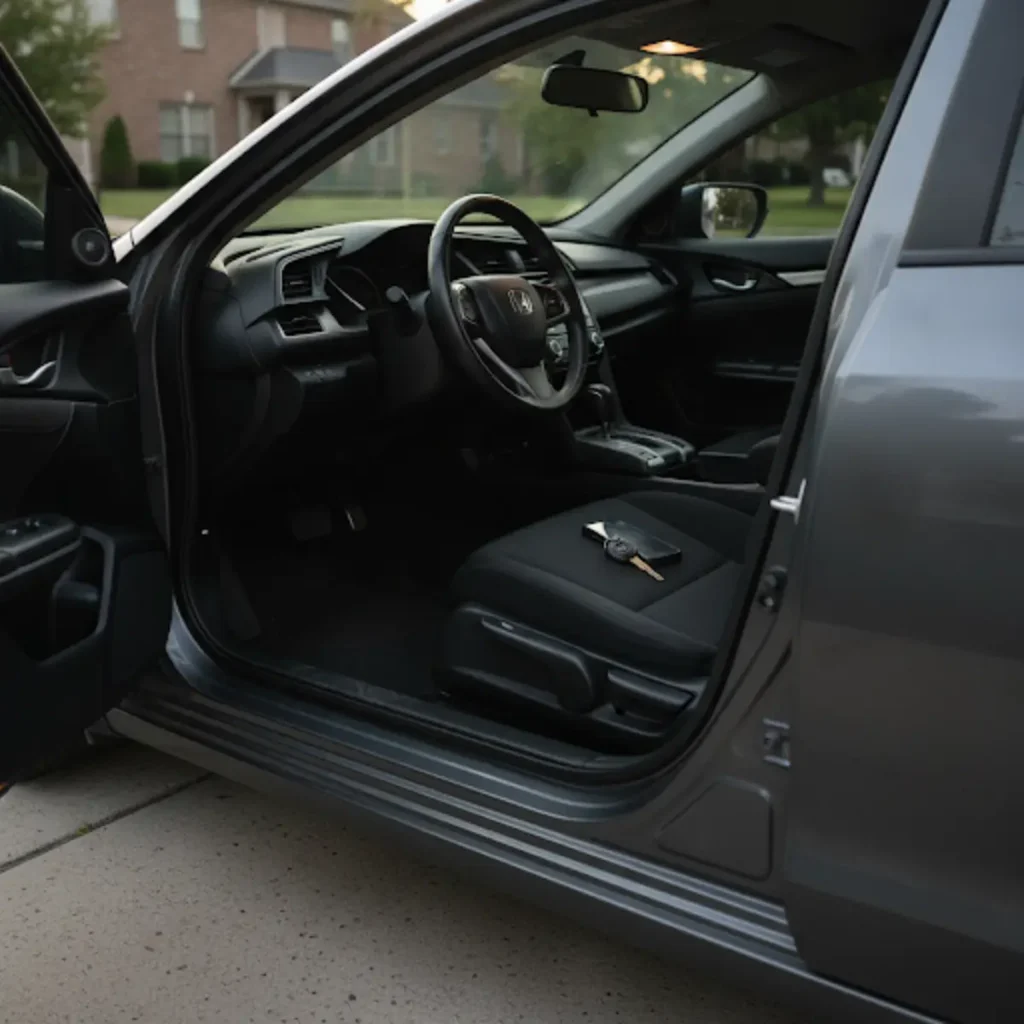
How Our Indianapolis Teen Driver Accident Lawyers Build Your Case

Teen driver cases are won on evidence that exists for a short window and on coverage most injured people never think to look for. Christie Bell & Marshall goes after both from the first week:

  • We subpoena the phone records for both the driver and the passengers. Indiana bars drivers under 21 from using a telecommunications device behind the wheel, and carrier records establish call, text, and data activity at the moment of impact rather than leaving it to argument.
  • We check the graduated license restrictions against the facts of the crash. Indiana’s probationary license limits nighttime driving and caps passengers for new drivers, so a crash at 11 p.m. with three friends in the car may involve a licensing violation that supports the negligence claim directly.
  • We look past the teen’s policy to the parents. Negligent entrustment and Indiana’s parental responsibility principles can reach the adults who handed over the keys, and a household policy usually carries far higher limits than a teenager’s.
  • We recover the event data recorder file. Pre-impact speed, throttle position, and whether the brakes were ever applied come from the vehicle itself, which matters when a young driver’s account changes between the scene and the deposition.
  • We get the crash report and any citation from IMPD. A ticket for speeding, failure to yield, or a license restriction violation is documented proof of a breached duty.
  • We handle the carrier before it handles you. Adjusters move quickly on these claims, and knowing what to do when an insurance adjuster calls after an Indianapolis crash protects the value of your case from the first phone call.

Personal injury is all we do, and that focus is what lets our team chase the parental and household coverage that a general practice firm would miss. When you are ready to talk it through, the case review is free and you will leave it knowing which policies have to answer for your injuries.

Speak with a personal injury lawyer today. Call: 317-488-5500

Why Teen Driver Crashes Happen in Indianapolis

Inexperience shows up in predictable ways, and each pattern leaves a different evidentiary trail.

  • Speed misjudged for the conditions. New drivers routinely carry too much speed into curves, ramps, and the 86th Street corridor during afternoon congestion.
  • Passenger distraction. Every additional teenage passenger raises crash risk, which is exactly why Indiana restricts passengers during the probationary period.
  • Distracted driving. Texting, music, and navigation pull eyes off the road at the moment a young driver most needs them on it.
  • Following too closely. Judging stopping distance is a learned skill, and rear-end impacts in stop-and-go traffic are the result of not yet having learned it.
  • Night driving. Reduced visibility and fatigue combine with inexperience, and Indiana’s nighttime restrictions exist for precisely that reason.
  • Impaired driving. Indiana applies a zero-tolerance standard to drivers under 21, so any measurable alcohol is a violation on its own.

When a young driver’s inexperience or a parent’s decision to hand over the keys caused your injuries, CBM builds the case that places responsibility where it belongs.

Personal Injury 317-488-5500

Indiana Law and Teen Driver Liability

A teen driver claim runs on ordinary negligence principles, with two Indiana-specific layers that can widen the recovery.

  • The license itself creates extra duties. Indiana Code 9-24-11 limits night driving and unrelated passengers during the probationary period, and device use is off limits entirely for drivers under 21.
  • A restriction violation is evidence of a breach. A crash that follows one of those violations is not merely a traffic matter, it is proof the driver ignored a duty the legislature wrote to protect everyone else on the road.
  • Negligent entrustment reaches the adults. The claim applies where a parent or owner handed the keys to someone they knew or should have known was unfit or unlicensed.
  • The household policy is where the coverage usually is. A family policy carries limits a teenager’s own coverage never will, and serious injuries pass a minimum policy inside one hospital stay.
  • Your percentage will still be contested. Indiana’s comparative fault statute at Indiana Code 34-51-2 bars recovery once your share reaches 51 percent, and insurers press hard to move a slice of blame onto the injured party.

If you are not sure which of these applies to your situation, our team will walk through it with you at no charge.

Click to contact us today

Common Injuries in Indianapolis Teen Driver Crashes

Crashes caused by inexperience often involve full speed at the moment of impact, because the young driver never braked.

  • Traumatic brain injury from the head striking an interior surface or from rapid deceleration.
  • Spinal cord injury and disc damage from the forces of a high-energy collision.
  • Bone fractures of the wrist, arm, ribs, and lower leg as the cabin deforms.
  • Internal organ injuries and bleeding requiring emergency surgery in the first hours.
  • Neck and back soft-tissue injuries that outlast the vehicle repair by months.
  • Psychological injuries, including anxiety about driving, which are compensable and frequently overlooked in younger claimants.
  • Wrongful death when a crash proves fatal, which gives specific family members a claim of their own.

Documenting every injury from the first hospital visit is what holds the claim together later, so CBM coordinates with Indianapolis physicians and specialists from the beginning.

What Compensation Can You Recover After a Teen Driver Crash in Indianapolis

What a claim is worth depends on the injuries and on how many policies can be reached, which in teen driver cases is often more than one.

  • Economic damages. Emergency treatment, surgery, imaging, rehabilitation, projected future care, prescriptions, vehicle damage, and the wages and earning capacity the injury takes from you.
  • Non-economic damages. Physical pain, emotional distress, loss of enjoyment of the activities that defined your life before the crash, and loss of consortium for a spouse.
  • Punitive damages. Available where the conduct went beyond carelessness, such as a young driver who was drinking, street racing, or driving recklessly with a car full of passengers.
  • Household and future care costs. The help a family has to hire when an injured parent cannot drive, lift, or manage the house for months.

Our team brings in treating physicians and economic experts so the demand reflects what the injury will cost across years rather than what the adjuster offers in the first month. A free consultation is where that conversation starts.

Do You Have an Indianapolis Teen Driver Accident Claim?

Kevin P. Farrell is an attorney at Christie Bell & Marshall whose practice centers on motor vehicle injury claims in Indiana. Here is his perspective on teen driver claims in Indianapolis.

“The first question I ask in a teen driver case is not how fast the car was going, it is what the license allowed. Indiana’s graduated rules on night hours, passengers, and phone use give me a documented duty, and a crash at 11 p.m. with three friends in the back seat is a violation before I ever open the medical records. From there I look at the adults, because negligent entrustment and the household policy are where a serious Indianapolis claim usually gets paid. Carrier phone records survive only a short window, so I subpoena them early. If a young driver hit you on Keystone or anywhere else in this city, the costly mistake is settling against the teenager’s small policy alone.”

Do You Qualify?

These claims are usually worth pursuing when the facts include:

  • A driver under 21 caused the crash, particularly if they were cited, on a probationary license, or carrying passengers they were not permitted to have.
  • Evidence exists of phone use, speed, or a licensing violation, whether from carrier records, the vehicle’s data, or a witness.
  • Your injuries required emergency care, surgery, or treatment that has continued beyond a few weeks.

What Cases Like Yours Have Recovered

Our team recovered $2,400,000 for a mother and her two daughters injured together, and $6,000,000 for the family of a 66-year-old man killed in a truck accident. You can review our case results to see the range of what these claims produce.

If your crash looks anything like these, call us and we will give you an honest read on where it stands.

Contact an Indianapolis Teen Driver Accident Lawyer at CBM

A crash caused by someone else’s teenager leaves you with medical bills, time away from work, and an insurer that would prefer to settle against a single small policy. The parental coverage, the licensing violation, and the phone records that change that math all have to be found by someone who goes looking for them.

For more than 40 years Christie Bell & Marshall has represented injured Hoosiers, and we get to work while you get to heal. You can contact CBM whenever you are ready. The consultation is free, no fee is owed unless we win, and that conversation gives you a clear picture of what comes next.

FAQs About Indianapolis Teen Driver Accidents

Can I sue the parents of the teen driver who hit me in Indianapolis?

Frequently, yes. Two routes exist in Indiana. Negligent entrustment applies where a parent or vehicle owner allowed someone to drive whom they knew or should have known was unfit, unlicensed, or likely to drive dangerously. Separately, the family vehicle may be covered by a household policy with much higher limits than a teenager carries individually. Because a serious injury can exceed a minimum policy within a single hospital stay, identifying every available policy early is one of the first things Christie Bell & Marshall does on these claims.

Does a graduated license violation help my claim?

It helps a great deal. Indiana’s probationary licensing rules restrict when a new driver may be on the road, how many unrelated passengers they may carry, and whether they may use a device while driving. When one of those restrictions was being violated at the time of the crash, it is documented evidence that the driver breached a duty the state created to protect others, and insurers find it difficult to argue around.

What if the teen driver has minimum insurance coverage?

That is common and it is not the end of the analysis. Beyond the parental and household policies described above, your own uninsured and underinsured motorist coverage may apply, and stacking across household vehicles is sometimes possible. An employer’s policy can come into play if the young driver was working, such as delivering food. Mapping the full coverage picture before anyone discusses settlement is what separates a token payout from a realistic settlement.

Can I still recover if I was partly at fault?

Yes, unless your share reaches 51 percent. Indiana applies modified comparative fault, so an award is reduced by your percentage of responsibility and eliminated once your share reaches 51 percent. Because comparative fault is the lever insurers reach for most often, the evidence that keeps your percentage low deserves as much attention as the medical proof.

How long before the teen driver’s phone records are gone?

Months rather than years, and the most useful records go first. Wireless carriers hold detailed call and text logs on retention schedules that generally run from a few months to about a year, while the cell site and data records that show what a phone was actually doing at the moment of impact often age out sooner. A preservation letter to the carrier followed by a subpoena in the first weeks is what secures them, and vehicle data and camera footage are on even shorter cycles. The filing deadline is a separate and longer matter, two years from the crash for most injury claims under Indiana Code 34-11-2-4, with different timing rules where the injured person is a minor.