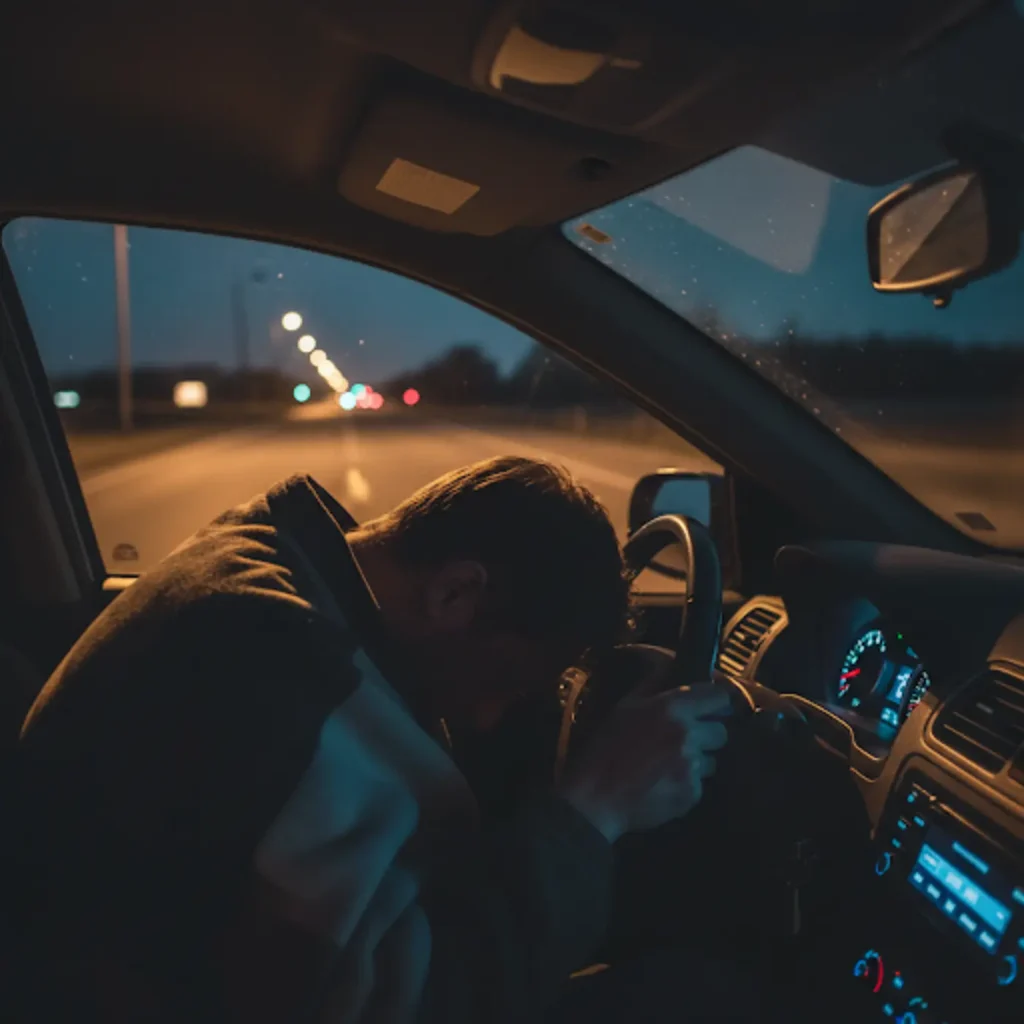
How Our Bloomington Driver Fatigue Lawyers Build Your Case

Driver fatigue contributes to thousands of fatal crashes a year, per NHTSA research, and commercial trucking runs on a federal Hours-of-Service framework built to keep tired drivers off the road. The defense argues the driver was not really fatigued and keeps the file on personal coverage, so we push back with federal records the carrier cannot suppress and physical evidence from the truck. Our team builds a Bloomington driver fatigue file with:

  • Issue a 49 CFR 390.31 preservation demand on day one. It triggers federal duties to preserve the driver qualification file, ELD data, post-crash drug and alcohol tests, and the prior seven days of hours-of-service records.
  • Subpoena the truck’s engine control module data. ECM downloads capture speed, throttle, brake, and trip duration, often showing the driver had been on the road well past hours-of-service limits.
  • Pull dispatch records, load assignments, and pay structure. Pay-by-the-mile structures pressure drivers to skip rest, and the dispatch trail often shows the carrier knew the driver was running tired.
  • Document the driver’s sleep history and prior fatigue indicators. Prior log violations, sleep apnea, and social media activity in the 48 hours before the crash all become admissible evidence of fatigue.
  • Coordinate with the FMCSA crash investigation. Federal investigations of serious commercial crashes produce records the civil case cannot easily replicate on its own.
  • Retain a commercial driving expert and a sleep medicine specialist. Their testimony ties the fatigue science to the driver’s hours-of-service history and the crash evidence.

Locking in those federal records early keeps a fatigue case from shrinking to one tired driver and a small auto policy, because the logs and dispatch trail reach the motor carrier’s commercial coverage. Our case results show what that approach has recovered on serious commercial vehicle files. Reach out to Christie Bell & Marshall for a free review while the federal eight-day retention window is still open.

Speak with a personal injury lawyer today. Call: 317-488-5500

Common Patterns of Driver Fatigue Crashes in Bloomington

Fatigue crashes split into commercial-driver and passenger-driver patterns, and the legal frameworks for each are entirely different. The Indiana Crash Facts report lists drowsy driving as a recurring factor on Indiana highways, and Monroe County’s spot on the I-69 freight corridor produces several recognizable scenarios:

  • Long-haul truck fatigue on I-69.
  • Construction and dump truck fatigue on State Road 37.
  • Delivery and rideshare driver fatigue.
  • Shift-worker fatigue on outbound commuter routes.
  • Student fatigue around IU campus.

Which fatigue pattern fits decides whether the case runs against the carrier, the employer, the driver, or some combination. Your Bloomington driver fatigue lawyer fits the investigation to how the driver was actually operating, from a long-haul truck accident case driven by federal logs to a rideshare shift a standard car accident workup would miss.

Complete a Free Case Evaluation form now

Indiana and Federal Law on Driver Fatigue Liability

Commercial fatigue cases run on a hybrid of Indiana tort law and federal motor carrier rules, with the Hours-of-Service regulations giving a strong negligence-per-se anchor when violated. Sorting out which framework applies is what grows a single-driver case into a multi-defendant commercial recovery.

  • Federal Hours-of-Service rules. 49 CFR 395 caps commercial drivers at 11 hours of driving in a 14-hour on-duty period, and a documented violation supports negligence per se while showing the carrier’s notice of the risk.
  • Negligent hiring, supervision, and retention. Indiana common law reaches the carrier’s general liability and umbrella coverage when it put a driver with a known fatigue risk on the road.
  • Modified comparative fault and deadlines. IC 34-51-2 lets you recover when you are 50 percent or less at fault under a two-year clock (IC 34-11-2-4), though federal preservation duties run far shorter.
  • Punitive damages. IC 34-51-3 supports punitive damages when a carrier knowingly dispatched an over-hours driver or pressured one to skip required rest.

We pin every fatigue file to this state-and-federal framework on day one. Waiting for discovery to develop the federal evidence gives the carrier months to challenge the preservation duty and produce only what it kept.

Click to contact us today

Common Injuries in Bloomington Driver Fatigue Crashes

On driver fatigue accidents, the trauma we most often work to document includes:

  • Traumatic brain injury from acceleration-deceleration forces in a crash where the fatigued driver never lifted off the accelerator.
  • Spinal cord injuries including cervical and thoracic fractures from severe loading at highway speed.
  • Multiple long-bone and pelvic fractures from intrusion and occupant displacement, particularly severe when a passenger car is struck by a commercial truck.
  • Internal organ damage including aortic injury, splenic laceration, and bowel trauma from belt loading at full operating speed.
  • Severe burns and inhalation injury when a high-energy fatigue impact ruptures a fuel tank, common in commercial truck fatigue crashes.
  • Crush injuries and amputations from passenger-car compartments collapsed by a higher-profile commercial truck.
  • Wrongful death and survivor PTSD in the highest-energy fatigue crashes, particularly head-on collisions caused by lane drift across the centerline.

Defense experts in fatigue cases often argue the fatigue did not cause the specific injuries, even when the hours-of-service violation is conceded. We tie IU Health Bloomington trauma records to a forensic sleep specialist’s read and a biomechanical reconstruction, linking the fatigue, the failure to brake, and the harm.

What Compensation Can You Recover After a Bloomington Driver Fatigue Crash

The defense anchors early talks to acute medical billing and resists documenting future care to keep the offer low. Indiana law lets you pursue the standard damages categories against each defendant, with separate proof for each.

In a free initial consultation, we will review all types of damages that may be available, including:

Economic Damages

A commercial fatigue crash against a passenger vehicle can produce catastrophic medical exposure: hospitalization, multiple surgeries, ongoing pain management, and skilled-nursing or attendant care. The earning side captures the wages you have lost, diminished earning capacity, vehicle and property losses, and the daily costs that accumulate while you cannot work.

Non-Economic Damages

Pain and suffering, loss of enjoyment of life, disfigurement, and emotional distress all run as separate categories under Indiana law, with loss of consortium available to a spouse. When a commercial fatigue crash takes a life, Indiana’s Wrongful Death Act opens medical, burial, and lifetime-earnings categories that typically exceed the survivor’s medical recovery on a parallel claim.

Commercial Coverage Stacking

The commercial auto policy, the cargo policy, any umbrella or excess coverage, and the policies of any logistics or brokerage partner can all become available on a serious fatigue file. Reaching each layer is what often turns a six-figure recovery against the driver into a seven or eight-figure recovery against the operating chain.

What Cases Like Yours Have Recovered

Recent Christie Bell & Marshall recoveries on serious commercial vehicle and high-energy crash files include:

  • A $60,000,000 recovery for an Avon, Indiana motorcyclist seriously injured on Rockville Road when struck by a truck driven by a corporate employee, a case that turned on documented driver conduct and a deep-pocketed commercial defendant.
  • An $18,500,000 recovery for a client who suffered a traumatic brain injury caused by a negligent truck driver, the kind of catastrophic outcome a fatigue-related commercial crash routinely produces.

When a fatigued or commercial driver is involved, the details decide the value, so we encourage you to get in touch and let us walk you through a realistic path for a case like yours in a free consultation.

Contact a Bloomington Driver Fatigue Attorney at Christie Bell & Marshall

A free consultation with our Bloomington team walks through which federal rules the carrier violated, which commercial coverage layers can be reached, and the realistic case value across driver, carrier, and brokerage tracks. We charge no fee unless we win your case, and the meeting is confidential. Contact Christie Bell & Marshall to schedule yours.

FAQs About Bloomington Driver Fatigue Accidents

How do you prove a commercial driver was fatigued at the time of the crash?

Federal records do most of the work: the electronic logging device shows hours driven, and a driver past the 11-hour or 14-hour limit is fatigued by federal definition. Engine control module data, dispatch records, and toxicology fill in the rest, so we can build the case even without a driver admission.

Can I sue the trucking company that employed the fatigued driver?

Often yes. The carrier is vicariously liable when the driver was on the job, and it can be directly liable for negligent hiring, supervision, or retention when it ignored a known fatigue risk. Those theories reach the carrier’s commercial coverage beyond the driver’s auto policy.

What if the at-fault driver was running a delivery for a rideshare app or a gig platform?

Most platforms label drivers independent contractors, but Indiana courts look at the actual operating relationship, not the label. A driver logged into the app or accepting deliveries at the time usually triggers the platform’s commercial coverage, which we investigate on every gig-driver file.

What are the federal Hours-of-Service rules for commercial drivers?

49 CFR 395 limits property-carrying drivers to 11 hours of driving in a 14-hour on-duty period, with a 30-minute break after 8 hours and 10 hours off before the next shift. Exceeding those limits is a federal violation that supports civil liability.

How long do I have to file a driver fatigue claim in Indiana?

IC 34-11-2-4 gives you two years from the crash, but the federal preservation clocks on ELD and dispatch data run far shorter. Get a lawyer engaged right away so the 49 CFR 390.31 demand goes out before that evidence is lost.